
Day Trading
Explore Prop Firms
Can You Trade News at Take Profit Trader?
Take Profit Trader lets you trade news freely in the evaluation, but once you’re funded on a PRO or PRO+ account you must be flat around FOMC, NFP, and CPI or risk losing the account. This guide explains exactly when news trading is allowed, how the 1‑minute buffer works, and…

Apex Trader Funding: New Drawdown Rules
Compare Apex’s new EOD and Intraday trailing drawdown rules, fees, and payout limits to pick the right risk setup for your trading style.
Replikanto Review 2026 – NinjaTrader Copy Trader for Prop Firms
Replikanto streamlines multi-account futures trading by copying trades instantly across linked NinjaTrader accounts. Whether you’re managing multiple prop firm evaluations or scaling funded accounts, it offers the reliability and precision serious traders need for 2026.
Best Way to Copy Trade Apex Accounts
Set up and scale copy trading across Apex accounts with the right copier, position multipliers, compliance guards, and testing for low-latency, rule‑safe execution.
How Apex Scaling Works
Guide to funded-account scaling: how trailing drawdown, contract buffers and consistency rules shape contract growth and enforce disciplined risk management.
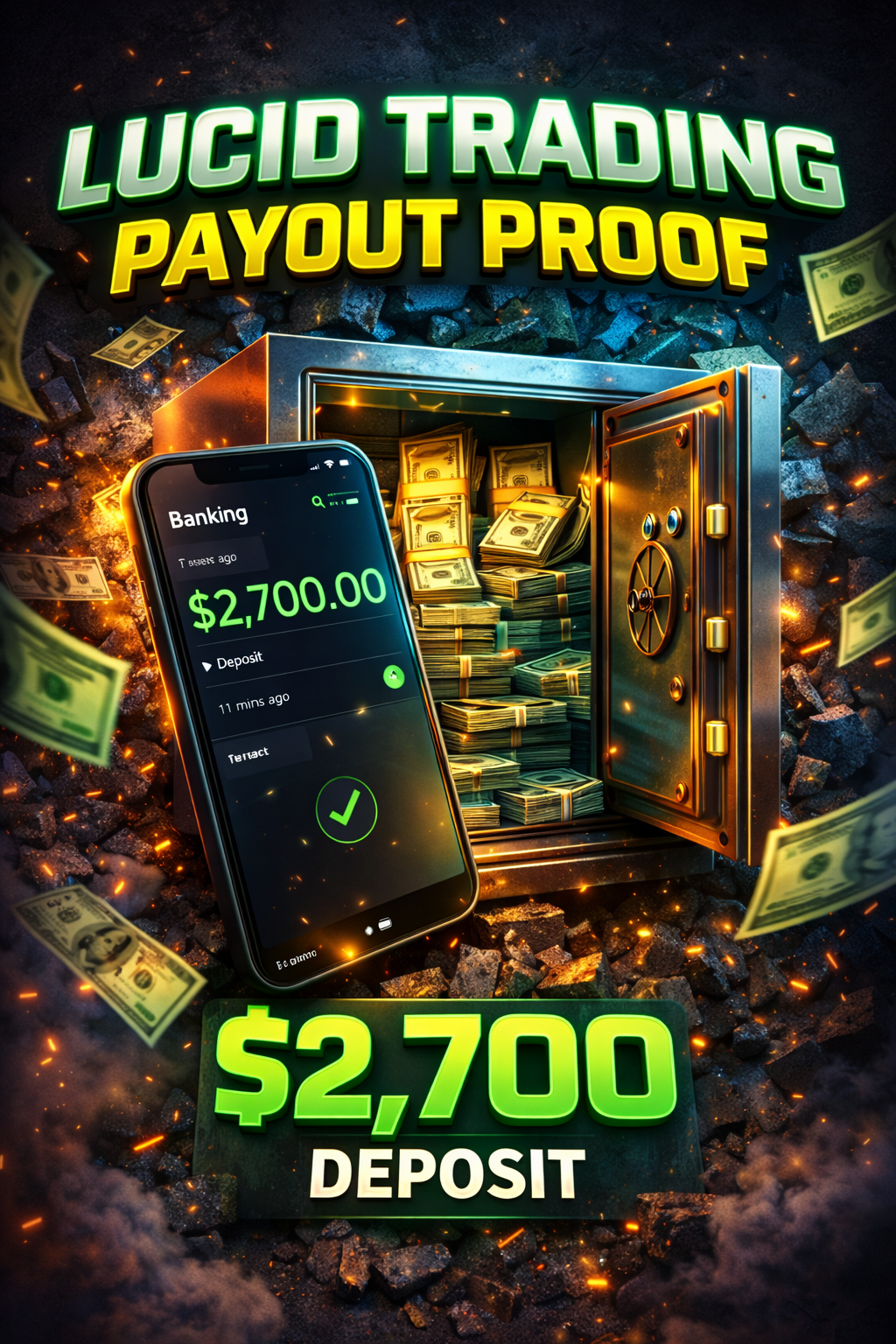
Lucid Trading Payout Proof (Real $3,000 Payout Paid in 30 Seconds)
Lucid Trading payout proof is real. In this post, we show a live payout from a LucidDirect instant funded account where a $3,000 withdrawal request was submitted and a $2,700 bank deposit hit in under 30 seconds after the 90/10 profit split. You will see exactly how Lucid payouts work,…
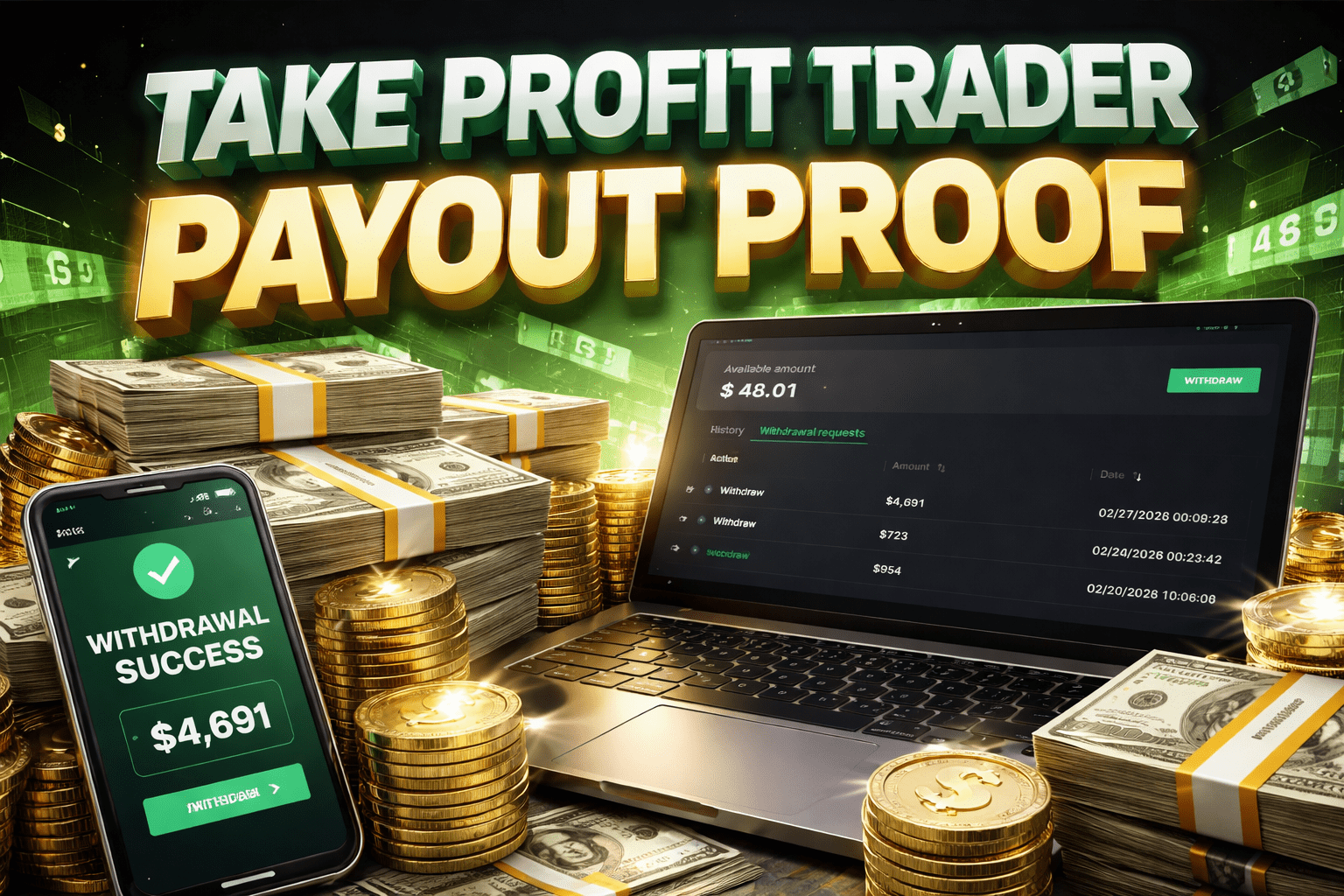
Take Profit Trader Payout Proof and Withdrawal Process Explained
This detailed breakdown covers real Take Profit Trader payout proof from a $150,000 funded account and explains the full Take Profit Trader withdrawal process step by step. See how daily withdrawals work, how the 80/20 profit split is applied, how long payouts take, and what actually hits the bank after…

The Difference Between Smart Aggression and Pure Recklessness
Learn how disciplined, volatility-adjusted position sizing and dynamic drawdown rules separate smart aggression from reckless trading in futures prop firms.

Risk-to-Reward Lies Traders Tell Themselves
Stop chasing arbitrary R:R targets – align win rate, position sizing, and drawdown limits to survive prop-firm challenges.
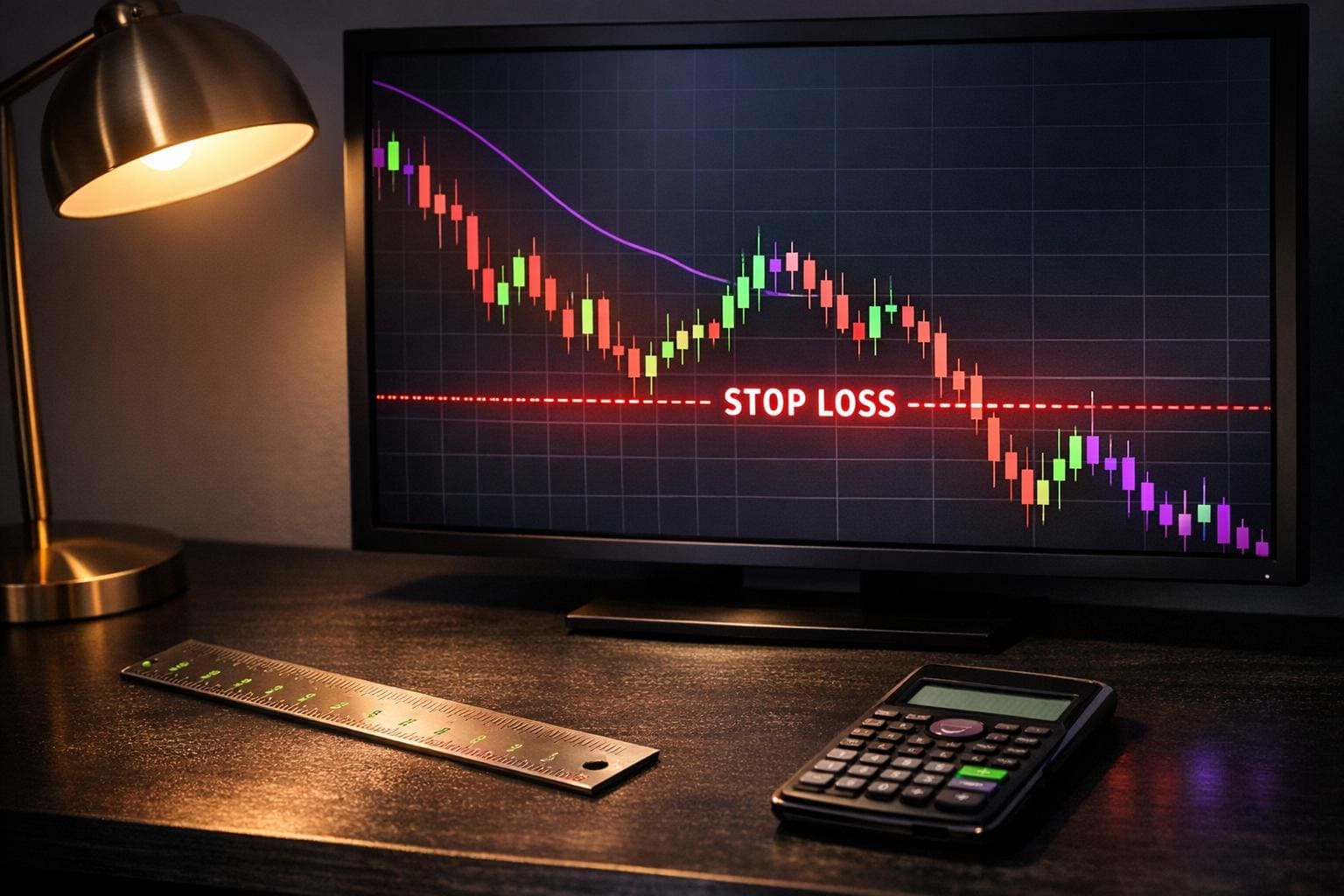
Why Stop Loss Distance Matters More Than Entry Precision
Why stop loss distance matters more than entry precision: it sets position size, controls dollar risk, and keeps you compliant with prop-firm drawdown rules.

Why Trading More Contracts Makes You Less Profitable
Bigger futures positions multiply losses, trigger emotional trading, and risk prop-firm rules—use proper position sizing and fixed risk to protect your account.
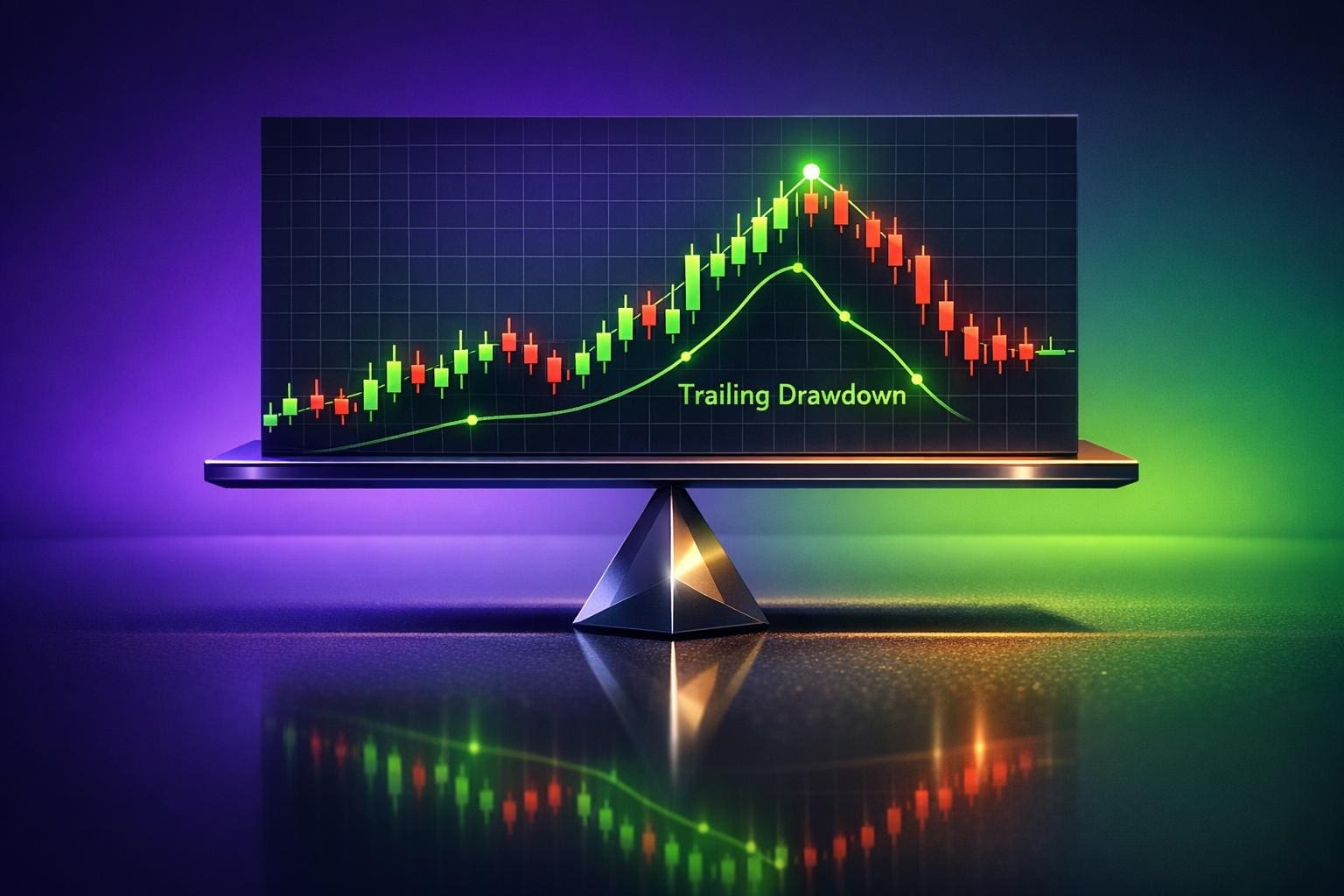
Trailing Drawdown Math Explained for Futures Prop Traders
How trailing drawdowns work in futures prop accounts, how they’re calculated with intraday equity, and practical tips to avoid unexpected liquidation.
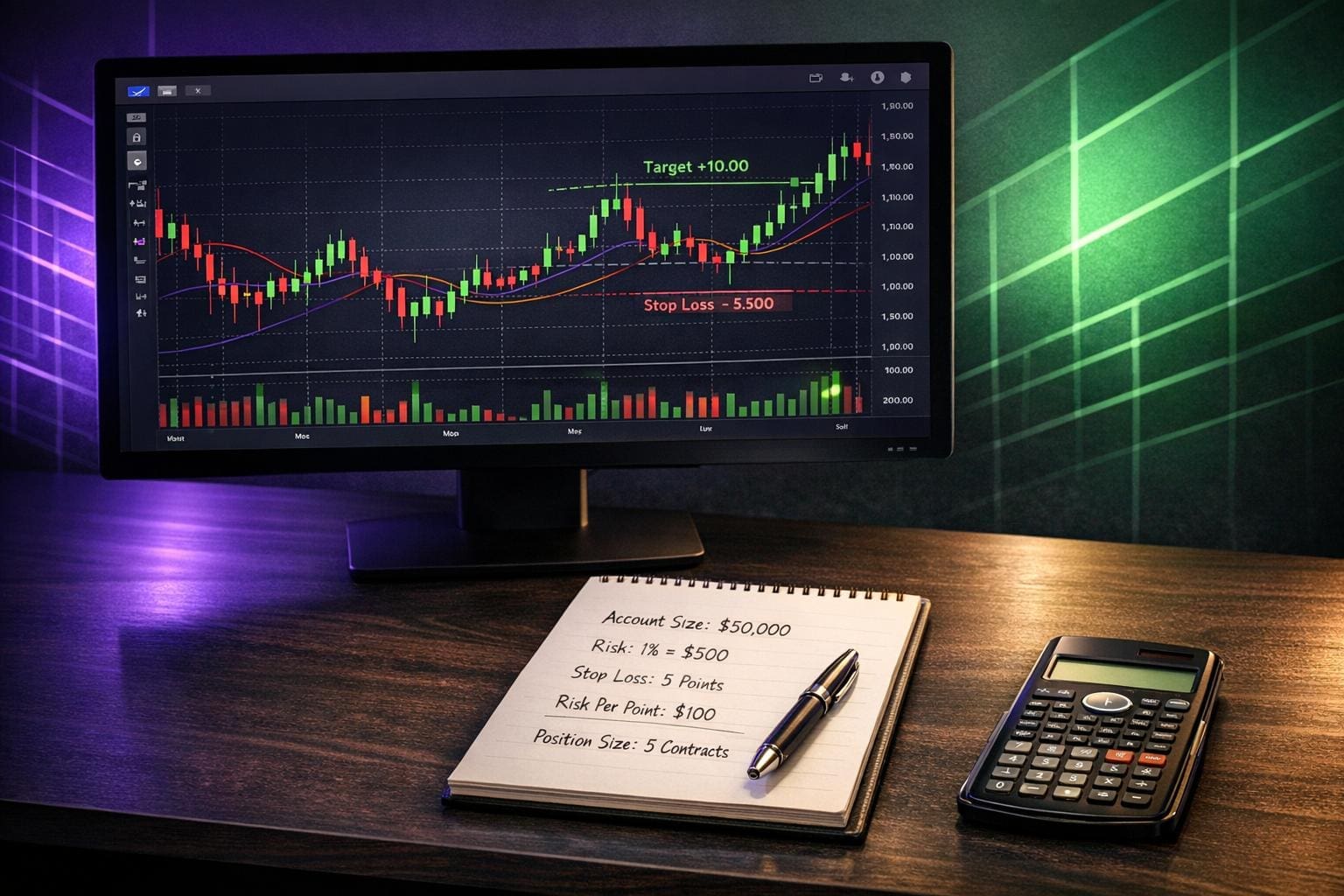
How to Size ES Trades Like a Professional (Not a Gambler)
Step-by-step guide to sizing ES/MES trades: calculate contracts, use ATR-based volatility, follow prop firm limits, and keep risk under 1% per trade.
Risk Management (This Is Where Most Traders Die)
Risk rules for futures prop traders: position sizing, pre-set stop-losses, daily limits, 1:2 risk-to-reward, and firm-specific limits to protect capital.

Why Simplicity Beats Indicators in Nasdaq Futures
Simplicity beats indicators in Nasdaq futures: trade price action, VWAP, volume and key levels to act faster, cut losses, and meet prop firm rules.
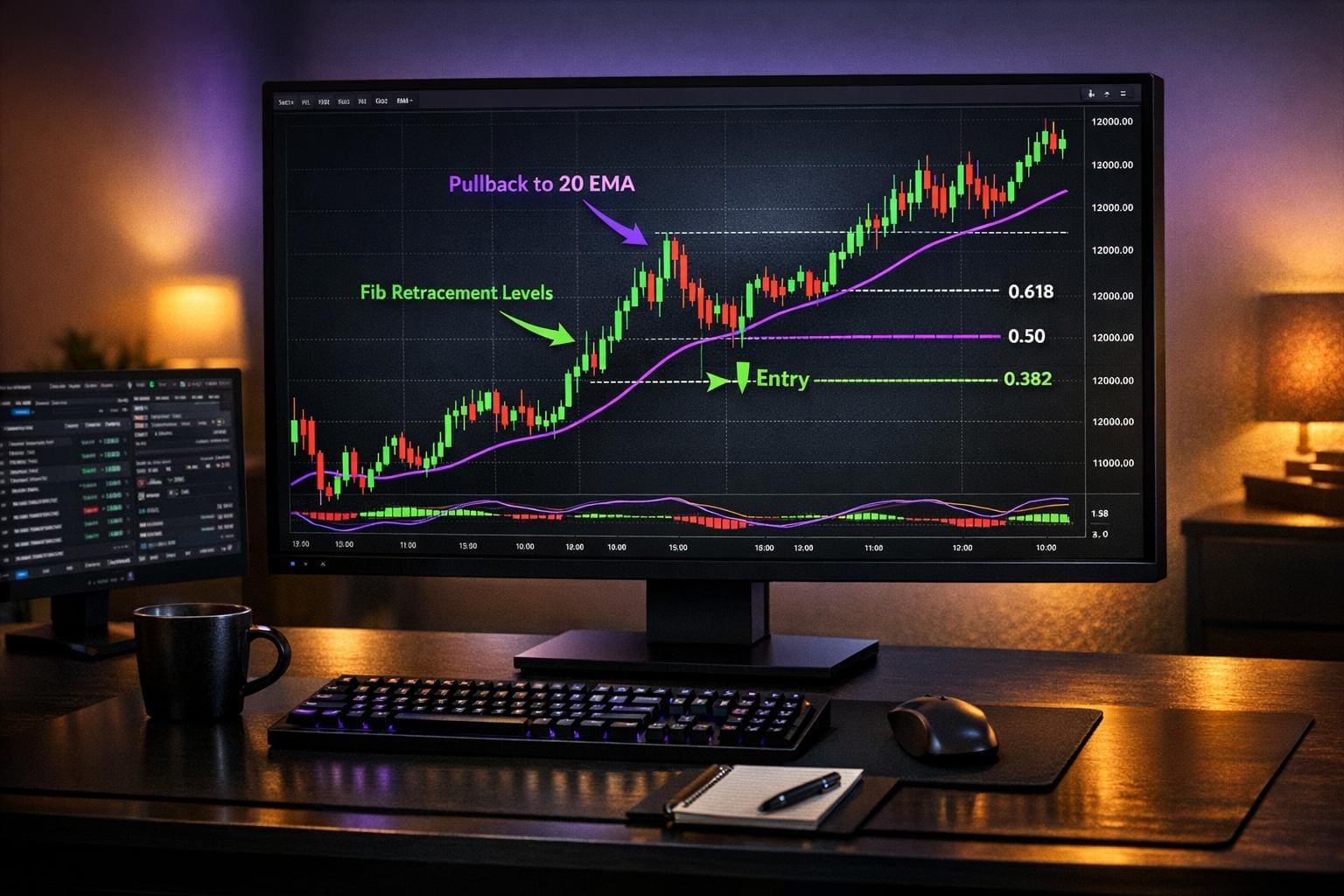
How to Trade NQ Pullbacks Without Chasing Like an Idiot
Rule-based NQ pullback guide: identify trend with 20 EMA/VWAP, wait for Fibonacci or MA retracements, enter on price-action confirmation, and control risk.

Mean Reversion on ES: When It Works and When It Will Ruin You
Mean reversion on ES wins in range-bound, low-volatility markets — but in trends or volatility spikes it can wipe funded accounts without strict risk controls.
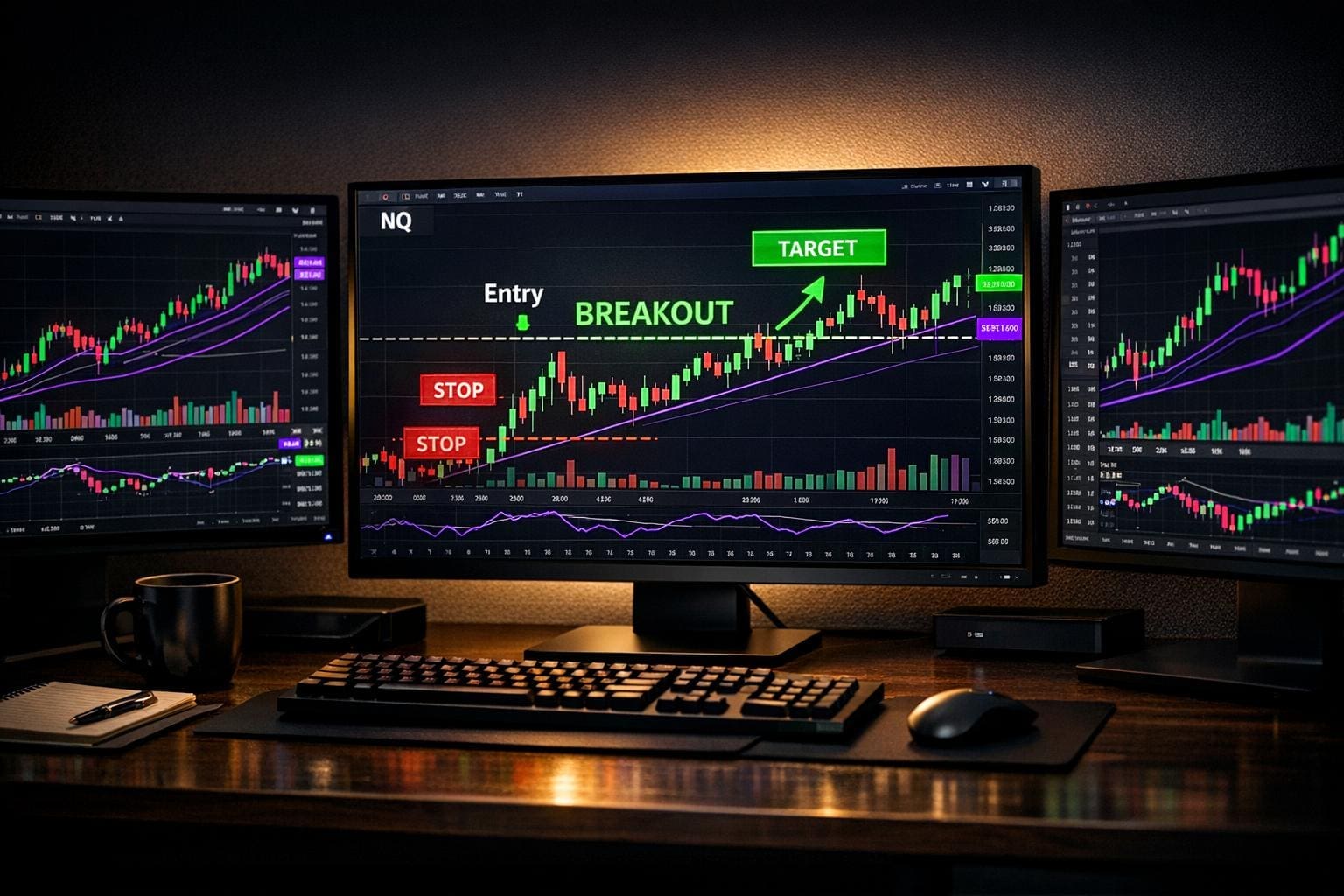
Why Most Traders Fail NQ Breakouts and How to Trade Them Properly
Why 87% of NQ breakout trades fail — learn a 3-step method to confirm breakouts, use ATR stops, size positions, and meet prop-firm rules.
Daily Loss Limits Explained for Beginners
Clear explanation of daily loss limits, static vs trailing rules, reset times, and practical tips to manage risk and protect trading capital.
Range Days vs Trend Days on ES: How to Identify Them Before You Lose Money
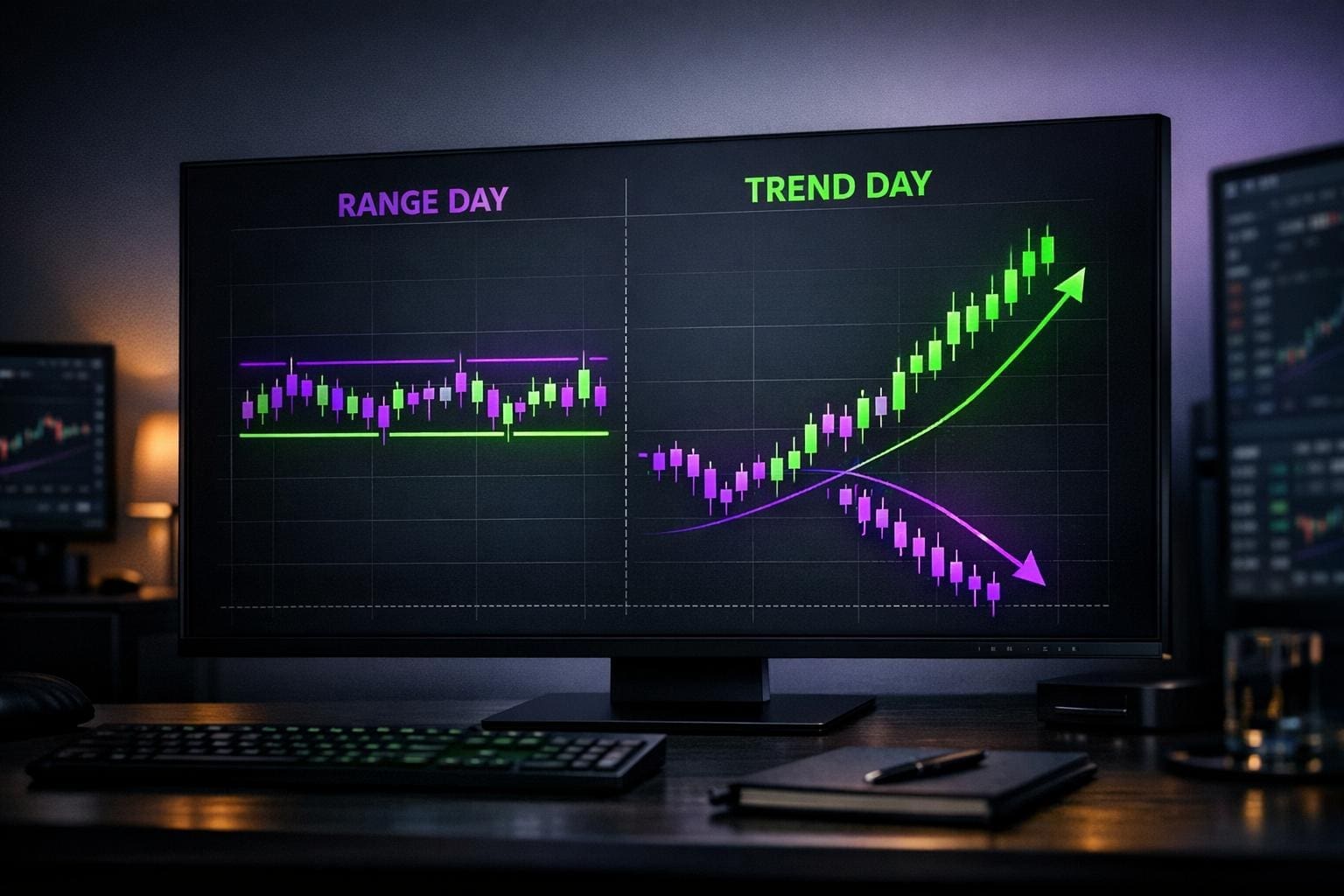
Mistaking a trend day for a range day destroys profits—use ATR, pre-market volume and opening range to know before the bell.
How I Trade the First 90 Minutes of NQ Without Getting Chop-Killed
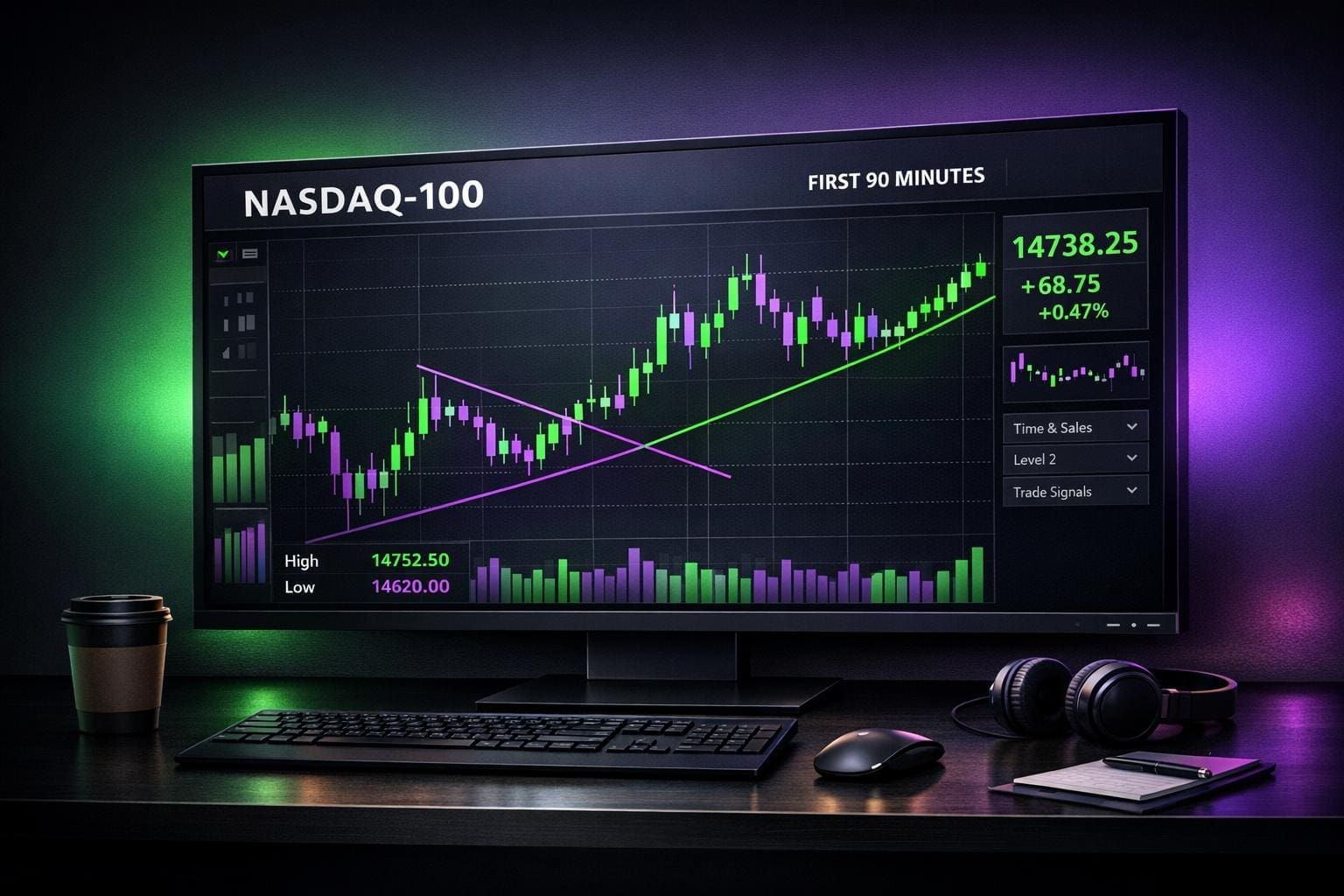
Practical NQ (Nasdaq-100) plan for the first 90 minutes: pre-market prep, opening range setups, position sizing, risk rules, and chop filters.

The Only 3 Intraday Market Structures That Matter on NQ
Master three intraday NQ structures—mid pivot, upper rotation, lower support—and trade Nasdaq futures with VWAP/volume confirmation and funded-account risk rules.
Lucid Trading Explained: Why This Futures Prop Firm Is Gaining Serious Momentum in 2026
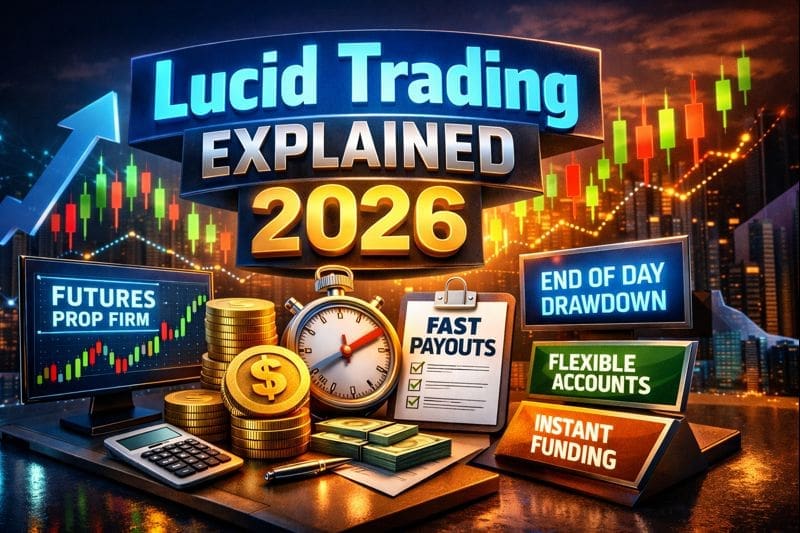
Lucid Trading is gaining serious momentum in 2026 because it fixes the biggest problems traders face with prop firms. Instead of intraday trailing drawdown and bloated rule sets, Lucid focuses on end-of-day drawdown, fast payouts, and clean account structures that reduce execution stress. Traders can choose between evaluation-style accounts, flexible…
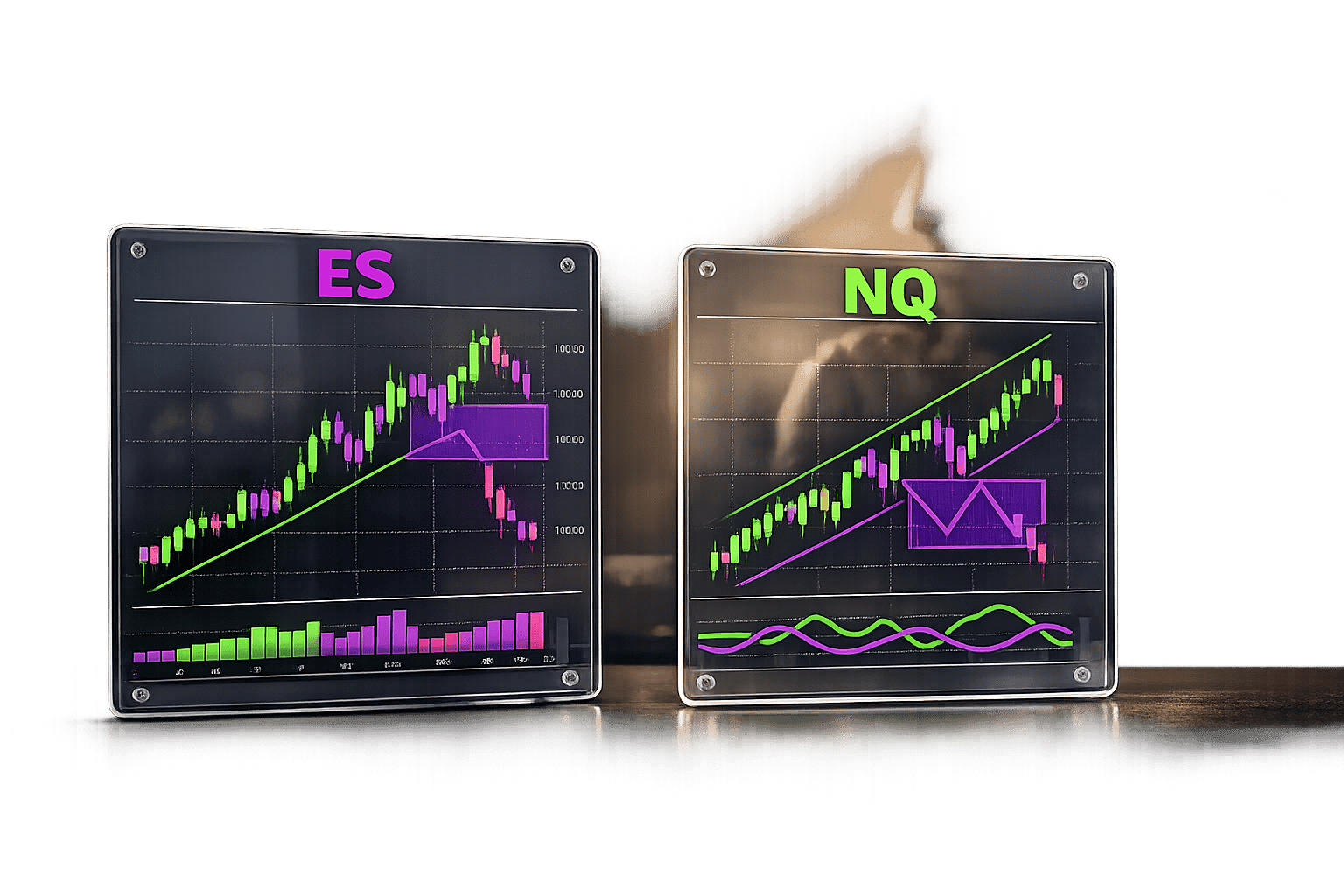
ES vs NQ Day Trading: Which One Actually Fits Your Psychology
Compare ES and NQ futures by volatility, liquidity, strategies, and trader psychology to find which contract matches your risk tolerance.

Top 5 Lessons from Failed Funded Accounts
Most funded trading accounts fail because traders break rules, mismanage risk, trade emotionally, overtrade, or refuse to adapt.
Why Nasdaq (NQ) Punishes Overtraders Faster Than Any Other Contract
NQ futures’ high leverage and volatility punish overtraders. Learn position sizing, stop-loss rules and discipline to avoid prop-firm breaches.

Core Strategy & Execution (NQ / ES Specific)
Rules-based strategies and execution for trading NQ (Nasdaq‑100) and ES (S&P 500) futures, covering session timing, micro contracts, risk controls, and order types.
Rithmic Setup for Prop Firms
Step-by-step Rithmic setup for prop firms: get credentials, install R|Trader Pro, enable plugin bridging, connect to NinjaTrader/Quantower, and troubleshoot issues.
Prop Firm Risk Rules: Adapting to Market Volatility
Adapt position sizing, set personal loss caps, and use compliance tools to avoid breaching prop firm drawdown and daily-loss rules during volatile markets.
MNQ Tick Value: Micro E-mini Futures Contract Specs
MNQ contract breakdown: 0.25 tick size, $0.50 tick value, $2 multiplier, trading hours, margins, and why traders use MNQ for precise risk and prop-firm evaluations.

Beginner Prop Firms with Instant Funding Options
Compare five beginner-friendly futures prop firms that offer instant funding, low fees, simple rules, and fast payouts.

Platform Fees vs. Data Feed Fees: Key Differences
Compare platform vs data feed fees for futures traders—what they cover, typical monthly costs, who charges them, and ways to reduce recurring expenses.

How Volume Profile Reveals Hidden Support Zones
Volume Profile reveals support hidden inside consolidation ranges by mapping traded volume—use HVNs, POC and VAL to place data-driven entries, stops, and manage futures risk.

Trade Copier Latency: Causes and Fixes
Identify and fix trade copier latency: network, hardware, software, and broker solutions to reduce slippage and sync multiple funded accounts.

Ultimate Guide to Trading Psychology in Risk Management
Manage fear, greed, and overconfidence in futures trading with rules, routines, stop-losses, journals and prop-firm alignment for consistent risk control.

Volume Profile vs Price Action: Key Differences
Compare Volume Profile and Price Action to learn how each method reads markets, their strengths and limits, and when to use or combine them for better trades.
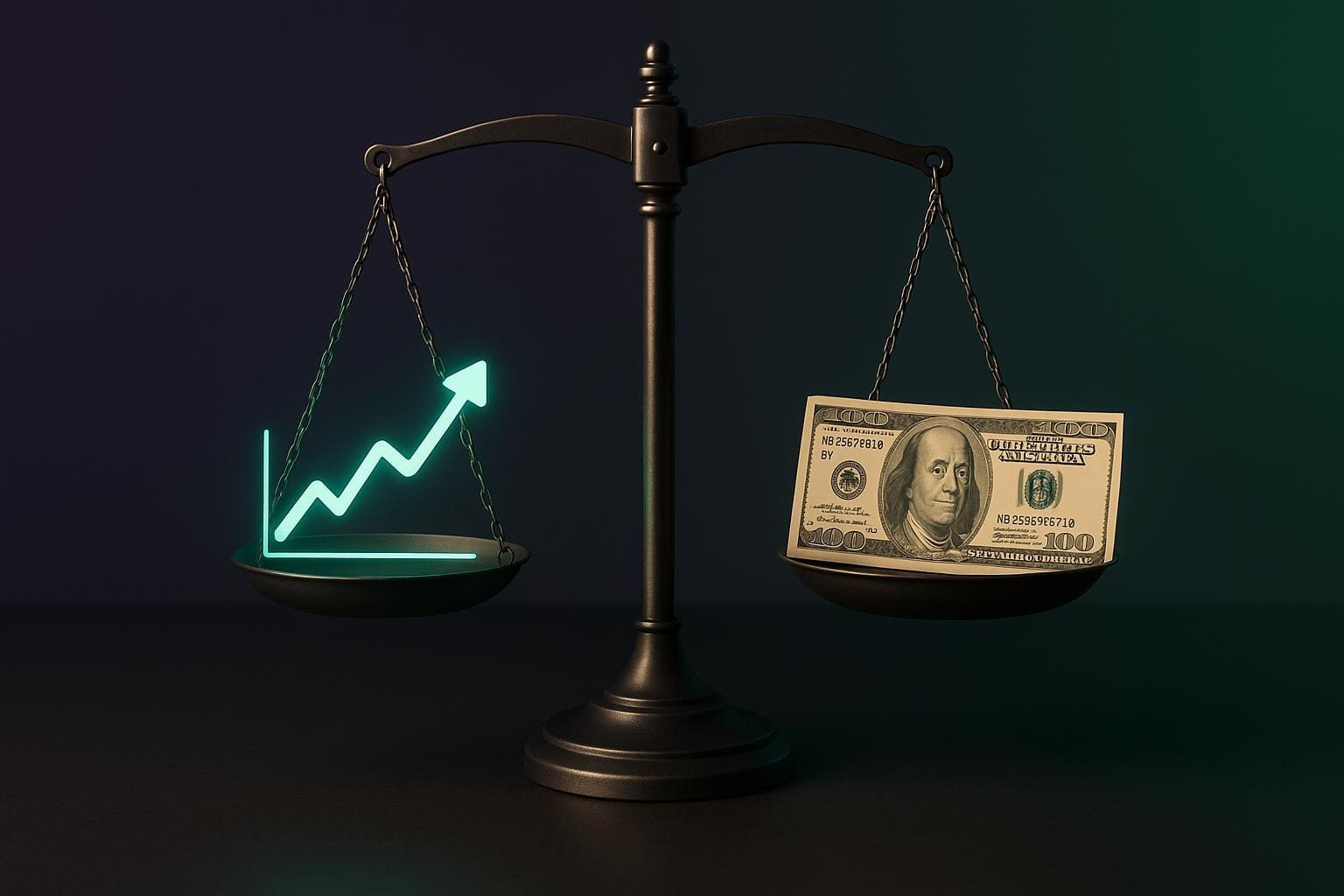
Risk-Reward Ratio vs. Win Rate: Key Differences
Strong risk-reward ratios can offset low win rates; learn how to calculate break-even win rates, expected value, and balance metrics for consistent trading.
Best Prop Firms for Futures Trading: 2025 Review
Compare top futures prop firms’ profit splits, evaluation rules, payouts and support to find the best fit for your trading style.

How to Meet Trading Objectives During Evaluations
Pass prop firm evaluations by prioritizing risk management, consistency, demo testing, and a written trading plan to protect capital and meet targets.
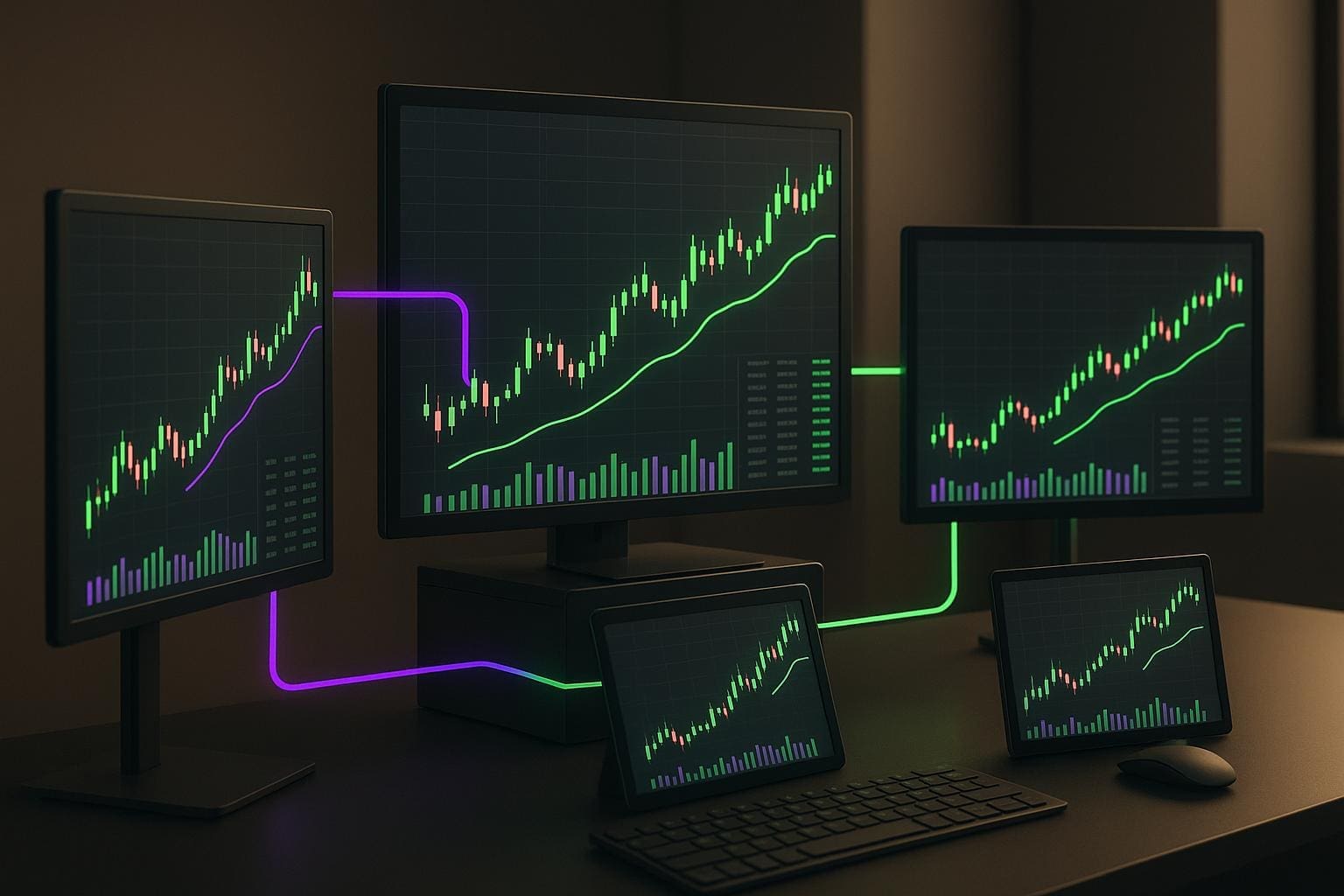
What Is Trade Copying in Futures Prop Trading?
Automated trade copying mirrors trades across multiple futures prop accounts for fast execution while demanding strict position sizing and drawdown limits.
Top 5 Trade Copying Platforms for Futures Traders
Compare five leading copy-trading platforms for futures—execution speed, prop-firm compatibility, platform support and pricing for scalpers, algos, and retail traders.

Funded Account Checklist: 10 Steps Before Trading
Prepare for success in funded trading accounts with this essential checklist that covers rules, risk management, and platform setup.
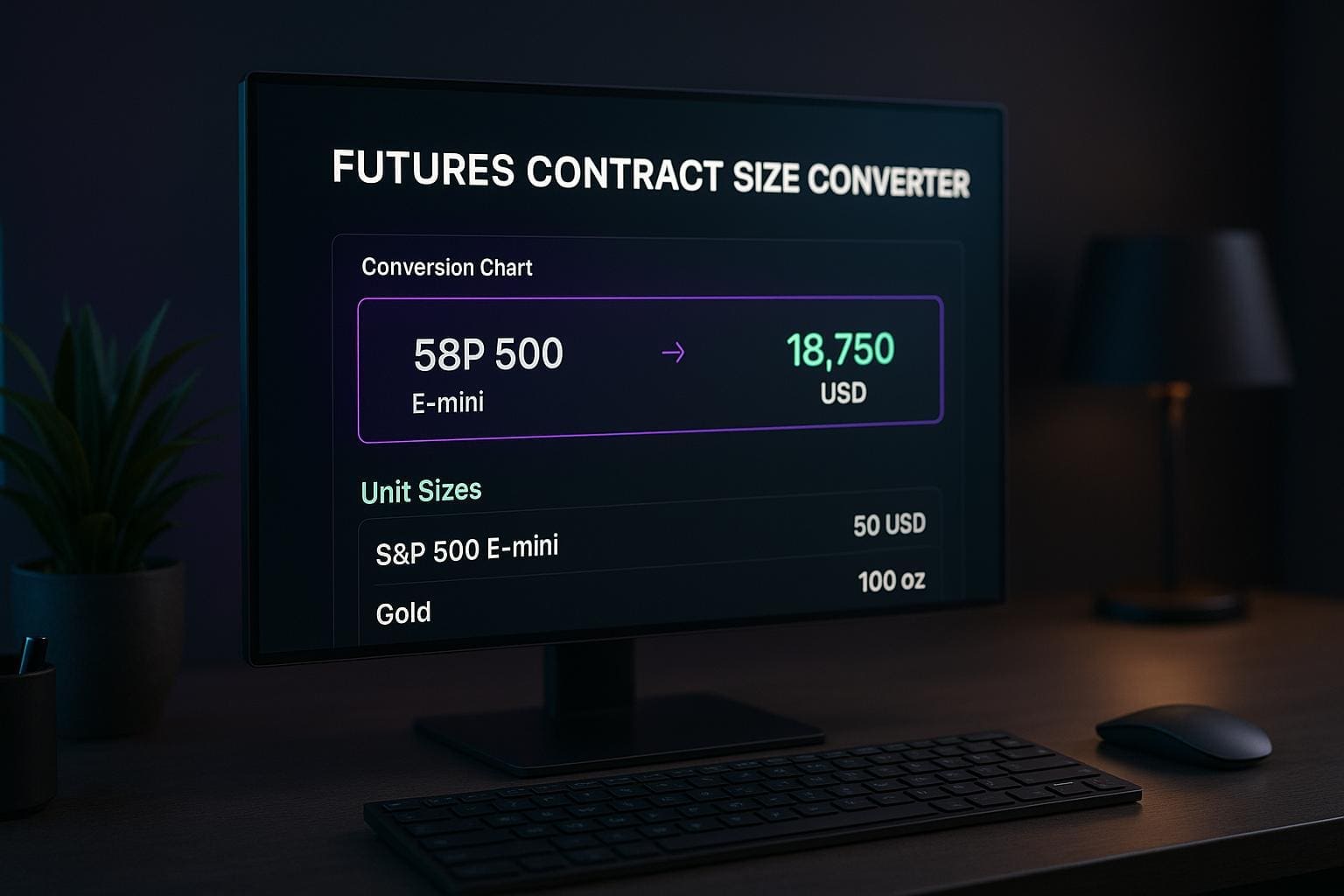
Futures Contract Size Converter
Convert futures contract sizes instantly! From S&P 500 E-mini to Gold, switch between full, mini, or micro units with our simple trading tool.

Futures Trading Profit Calculator
Calculate your futures trading profits or losses instantly with our free tool. Enter contract size, entry/exit prices, and see detailed results!
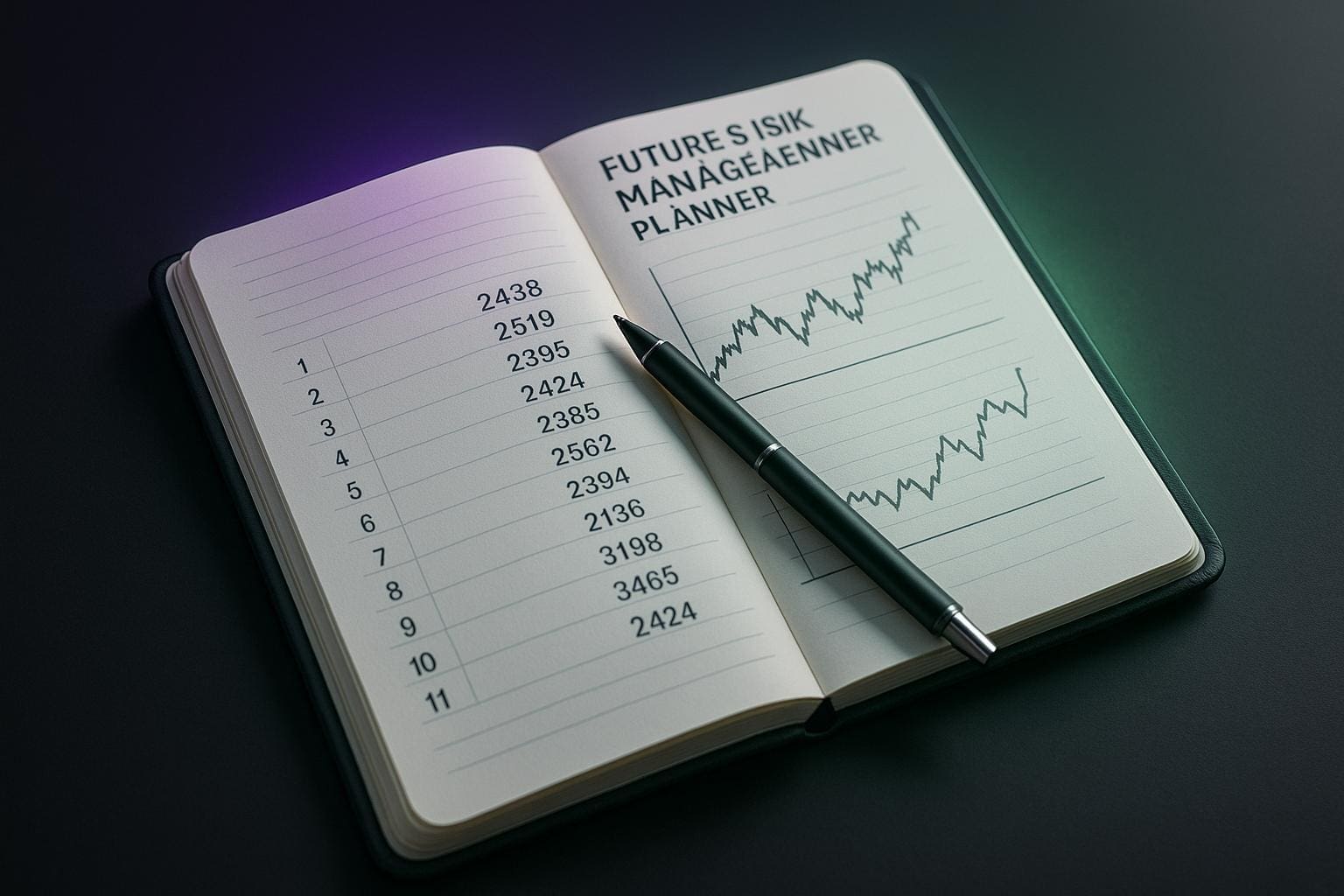
Nasdaq Futures Risk Management Planner
Plan your futures trading risk with our free tool! Input account size and risk percentage to get tailored position sizing. Trade smarter today!
How Many Trading Days Are In A Month?
U.S. stock markets average 20–22 trading days per month, but holidays and weekends change that count. This guide breaks down the 2026 trading calendar, explains how trading days impact futures traders and prop firm evaluations, and shows how rules like Daily Loss Limits and Consistency Requirements help build discipline and…
How Much Money Do You Need to Day Trade (No PDT Rule Required)
Wondering how much money you really need to start day trading? In this guide, we break down daily profit goals, account types, and the updated Pattern Day Trader (PDT) rule—now shifting from a fixed $25,000 minimum to a flexible intraday margin requirement by 2026. Learn how leverage, cash vs. margin…
How Many Trading Days In a Year 2025, 2026, 2027
U.S. stock markets operate roughly 250 to 252 trading days per year, depending on how weekends and federal holidays fall. Each year, the NYSE and Nasdaq close for select market holidays, leaving around 250 active trading sessions where investors and futures traders can participate. This guide breaks down the exact…