
Futures Prop Firms
Explore Prop Firms
Can You Trade News at Take Profit Trader?
Take Profit Trader lets you trade news freely in the evaluation, but once you’re funded on a PRO or PRO+ account you must be flat around FOMC, NFP, and CPI or risk losing the account. This guide explains exactly when news trading is allowed, how the 1‑minute buffer works, and…

Apex Trader Funding: New Drawdown Rules
Compare Apex’s new EOD and Intraday trailing drawdown rules, fees, and payout limits to pick the right risk setup for your trading style.
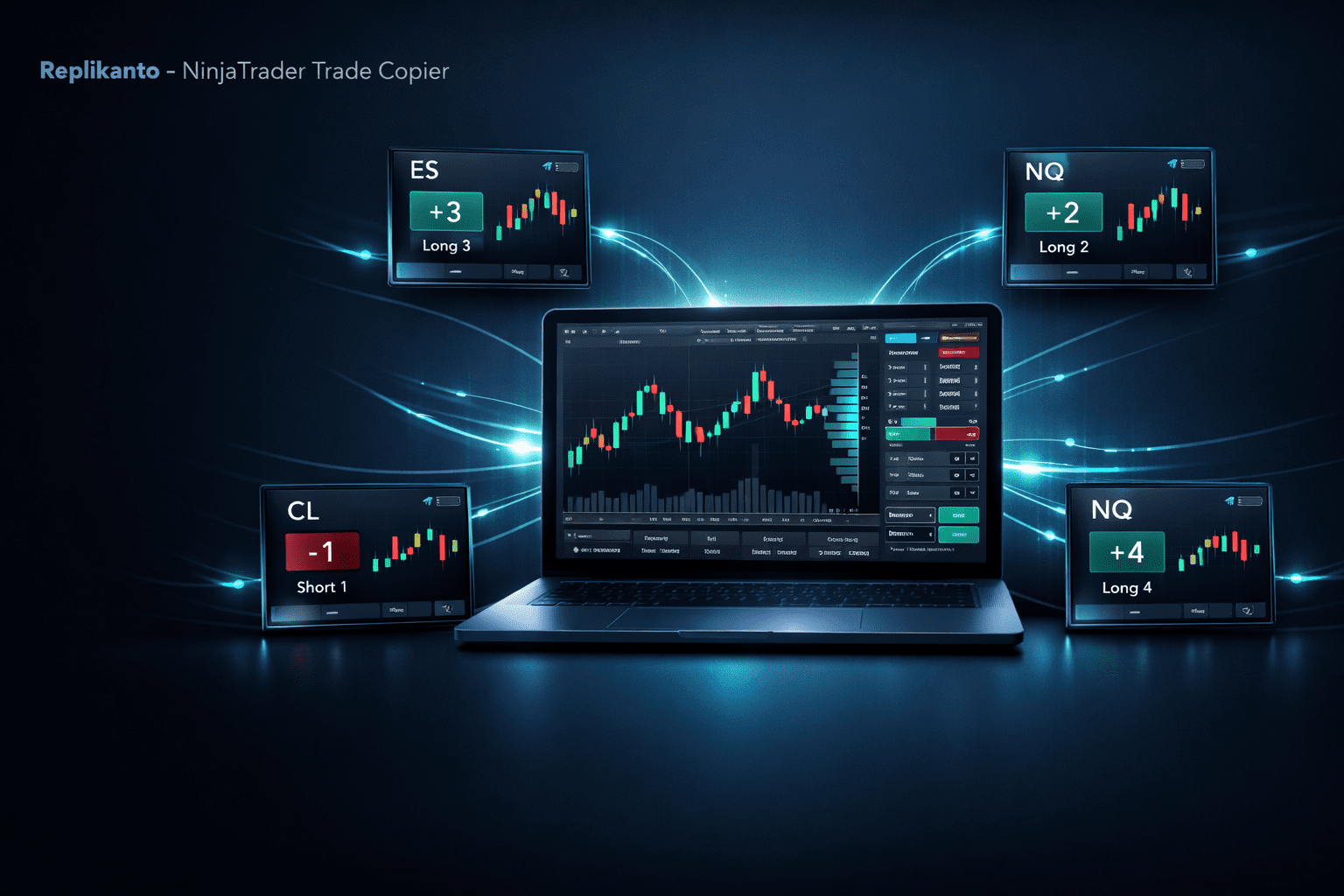
Replikanto Review 2026 – NinjaTrader Copy Trader for Prop Firms
Replikanto streamlines multi-account futures trading by copying trades instantly across linked NinjaTrader accounts. Whether you’re managing multiple prop firm evaluations or scaling funded accounts, it offers the reliability and precision serious traders need for 2026.
Best Way to Copy Trade Apex Accounts
Set up and scale copy trading across Apex accounts with the right copier, position multipliers, compliance guards, and testing for low-latency, rule‑safe execution.

How Apex Scaling Works
Guide to funded-account scaling: how trailing drawdown, contract buffers and consistency rules shape contract growth and enforce disciplined risk management.
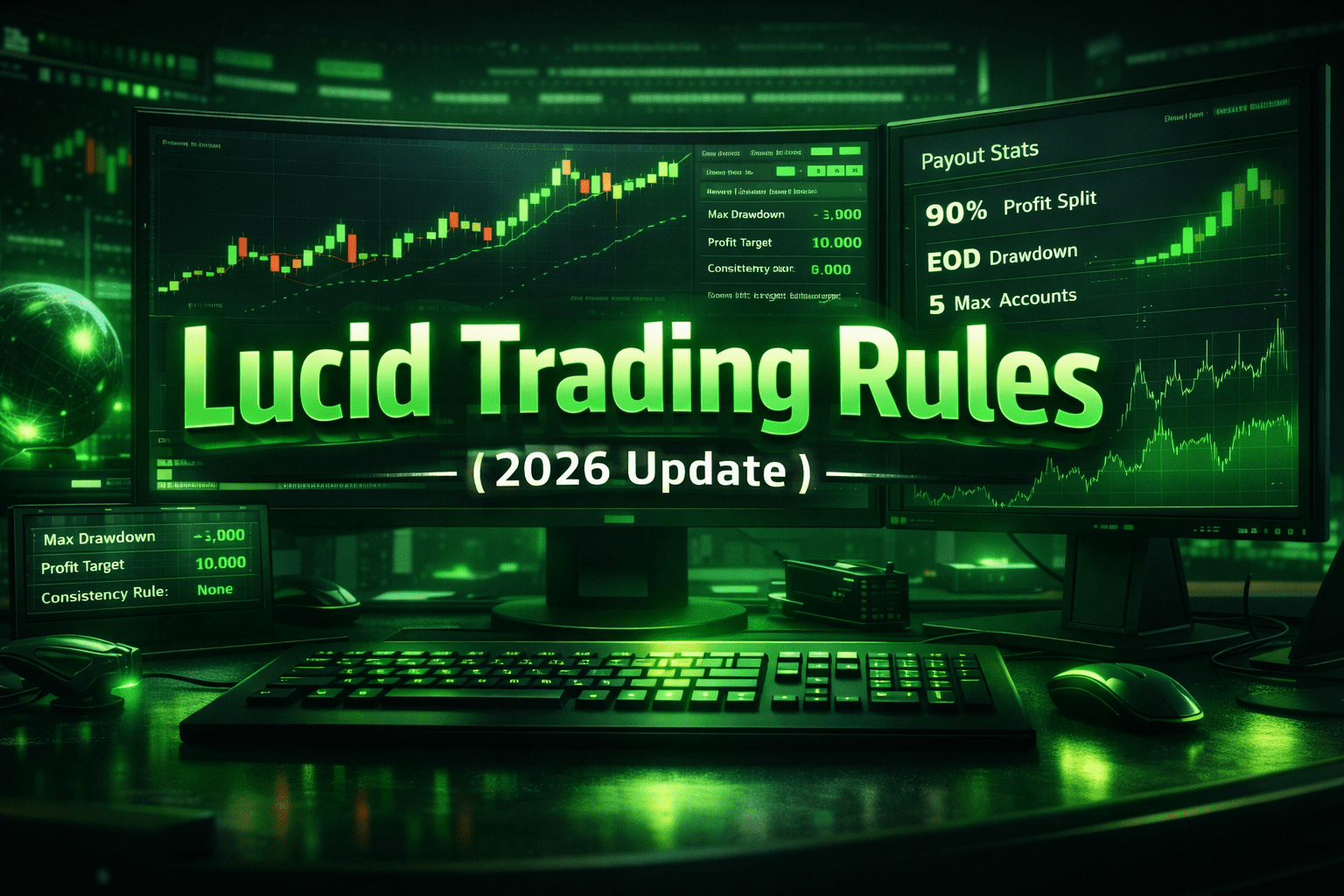
Lucid Trading Rules (2026 Update): Complete Guide To Evaluations, Payouts, And Consistency
Lucid Trading has become one of the most popular futures prop firms because of its simple rules, fast payouts, and end‑of‑day drawdown model—but 2026 brought some big changes you need to understand before you sign up. This guide breaks down all the latest Lucid Trading rules for LucidPro, LucidDirect, and…

Apex Payout & Scaling Calculator
Calculate your Apex Trader Funding payouts with our interactive tool. See safety nets, scaling potential, and download your roadmap now!
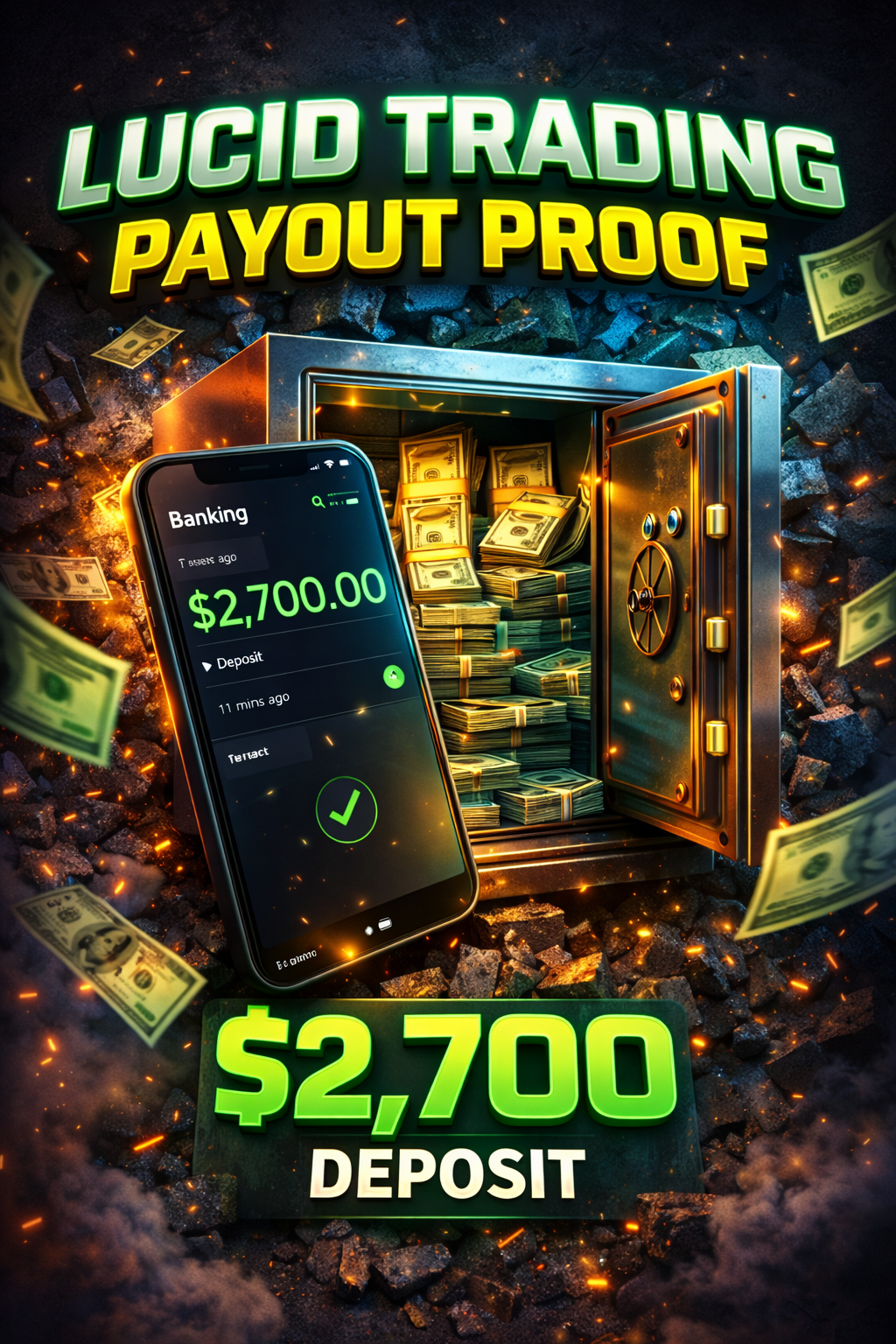
Lucid Trading Payout Proof (Real $3,000 Payout Paid in 30 Seconds)
Lucid Trading payout proof is real. In this post, we show a live payout from a LucidDirect instant funded account where a $3,000 withdrawal request was submitted and a $2,700 bank deposit hit in under 30 seconds after the 90/10 profit split. You will see exactly how Lucid payouts work,…
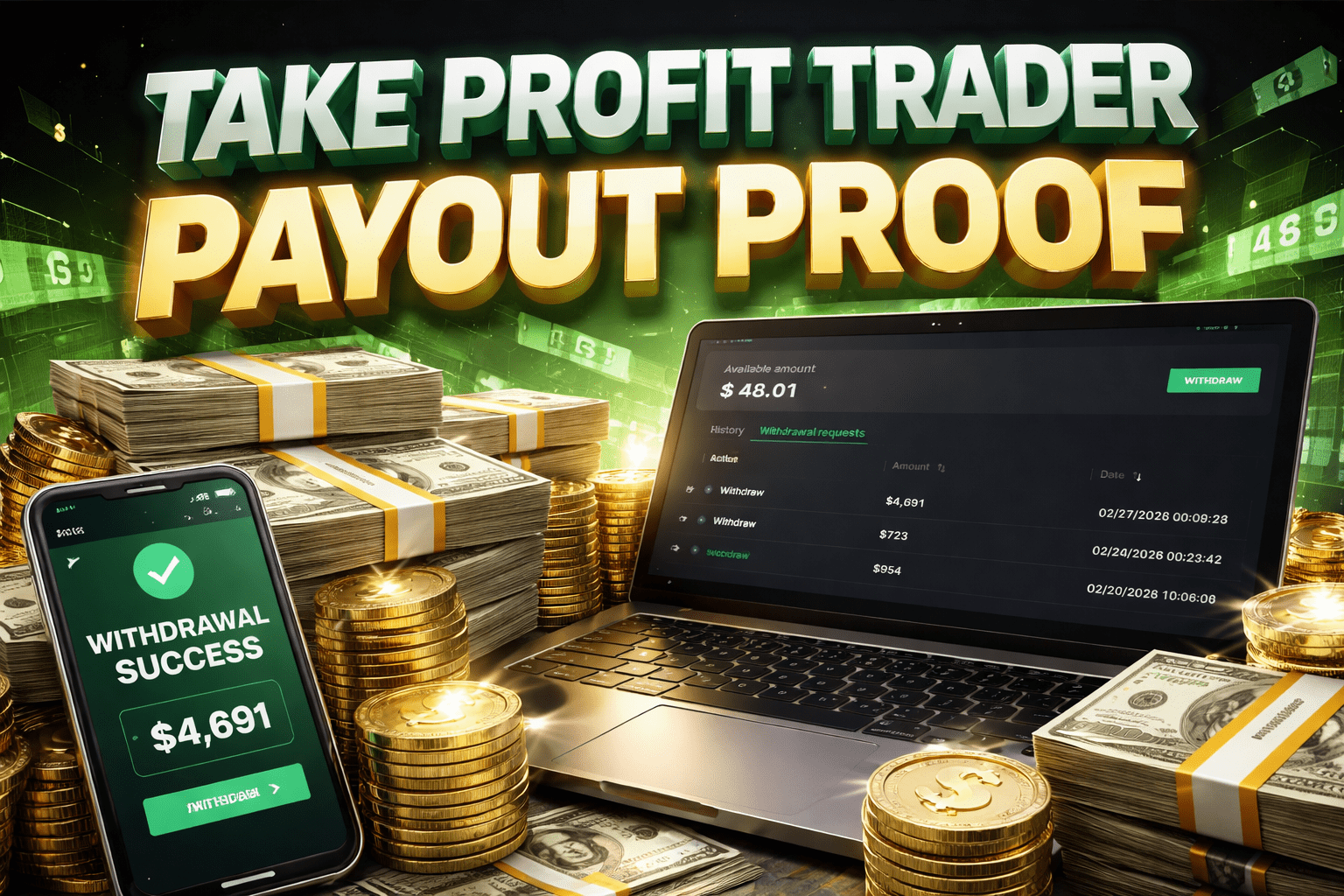
Take Profit Trader Payout Proof and Withdrawal Process Explained
This detailed breakdown covers real Take Profit Trader payout proof from a $150,000 funded account and explains the full Take Profit Trader withdrawal process step by step. See how daily withdrawals work, how the 80/20 profit split is applied, how long payouts take, and what actually hits the bank after…

Why Stop Loss Distance Matters More Than Entry Precision
Why stop loss distance matters more than entry precision: it sets position size, controls dollar risk, and keeps you compliant with prop-firm drawdown rules.

Why Trading More Contracts Makes You Less Profitable
Bigger futures positions multiply losses, trigger emotional trading, and risk prop-firm rules—use proper position sizing and fixed risk to protect your account.
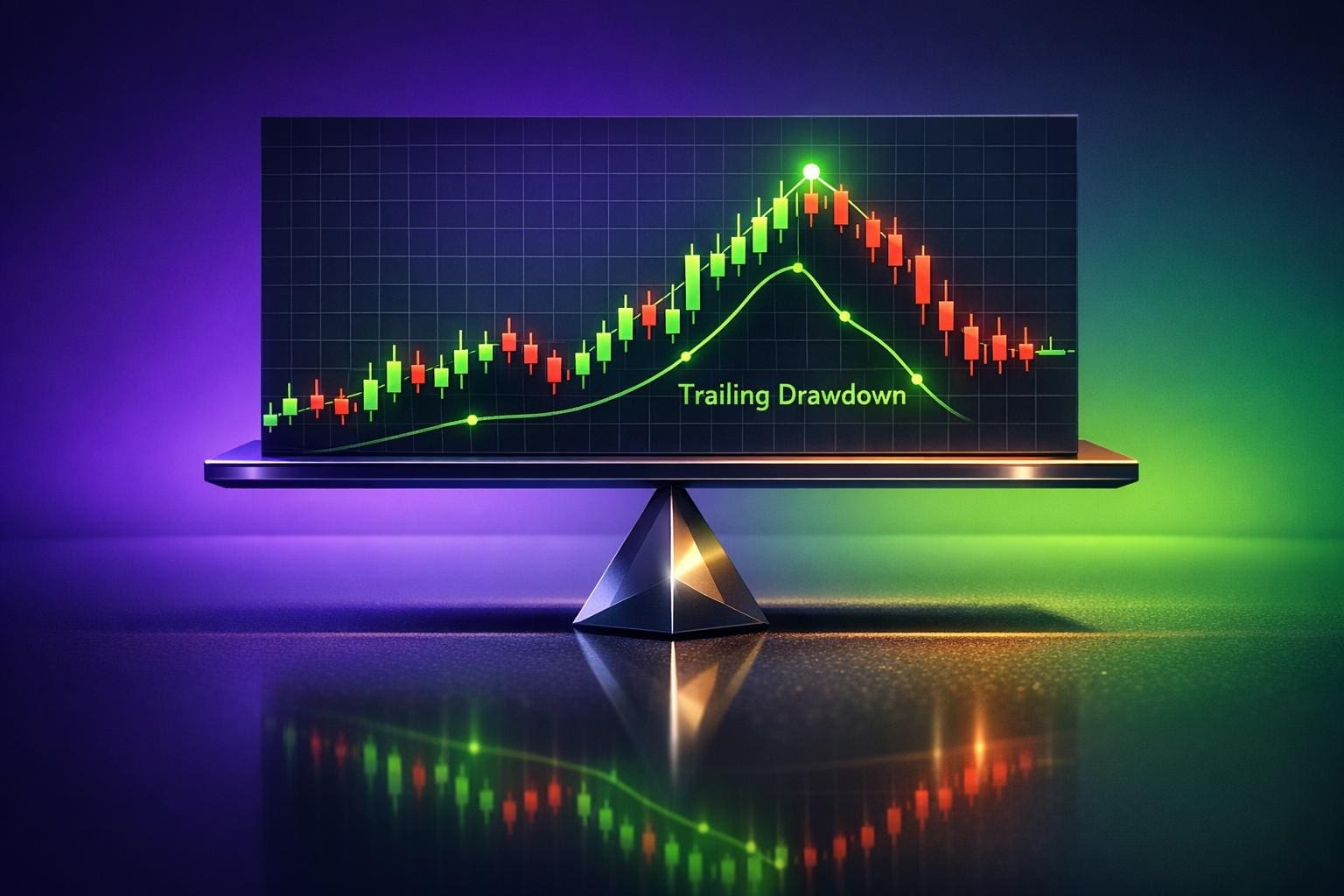
Trailing Drawdown Math Explained for Futures Prop Traders
How trailing drawdowns work in futures prop accounts, how they’re calculated with intraday equity, and practical tips to avoid unexpected liquidation.
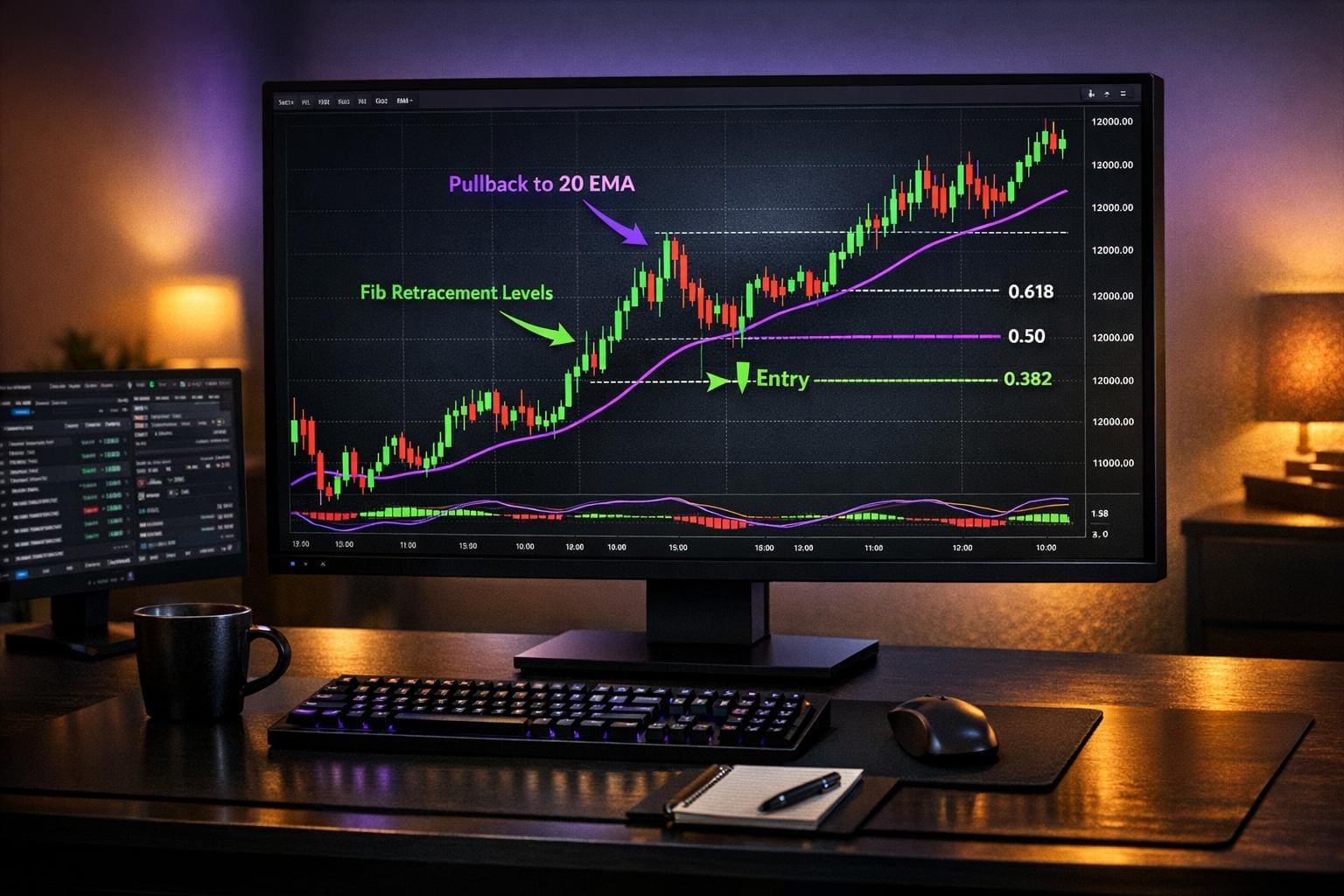
How to Trade NQ Pullbacks Without Chasing Like an Idiot
Rule-based NQ pullback guide: identify trend with 20 EMA/VWAP, wait for Fibonacci or MA retracements, enter on price-action confirmation, and control risk.

Daily Loss Limits Explained for Beginners
Clear explanation of daily loss limits, static vs trailing rules, reset times, and practical tips to manage risk and protect trading capital.
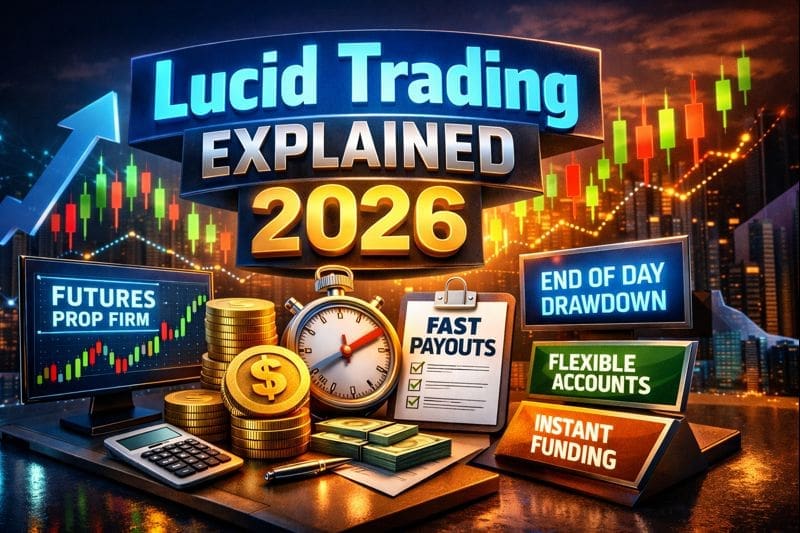
Lucid Trading Explained: Why This Futures Prop Firm Is Gaining Serious Momentum in 2026
Lucid Trading is gaining serious momentum in 2026 because it fixes the biggest problems traders face with prop firms. Instead of intraday trailing drawdown and bloated rule sets, Lucid focuses on end-of-day drawdown, fast payouts, and clean account structures that reduce execution stress. Traders can choose between evaluation-style accounts, flexible…

Top 5 Lessons from Failed Funded Accounts
Most funded trading accounts fail because traders break rules, mismanage risk, trade emotionally, overtrade, or refuse to adapt.

Why Nasdaq (NQ) Punishes Overtraders Faster Than Any Other Contract
NQ futures’ high leverage and volatility punish overtraders. Learn position sizing, stop-loss rules and discipline to avoid prop-firm breaches.
Rithmic Setup for Prop Firms
Step-by-step Rithmic setup for prop firms: get credentials, install R|Trader Pro, enable plugin bridging, connect to NinjaTrader/Quantower, and troubleshoot issues.
Prop Firm Risk Rules: Adapting to Market Volatility
Adapt position sizing, set personal loss caps, and use compliance tools to avoid breaching prop firm drawdown and daily-loss rules during volatile markets.
MNQ Tick Value: Micro E-mini Futures Contract Specs
MNQ contract breakdown: 0.25 tick size, $0.50 tick value, $2 multiplier, trading hours, margins, and why traders use MNQ for precise risk and prop-firm evaluations.

Beginner Prop Firms with Instant Funding Options
Compare five beginner-friendly futures prop firms that offer instant funding, low fees, simple rules, and fast payouts.

Platform Fees vs. Data Feed Fees: Key Differences
Compare platform vs data feed fees for futures traders—what they cover, typical monthly costs, who charges them, and ways to reduce recurring expenses.

Trade Copier Latency: Causes and Fixes
Identify and fix trade copier latency: network, hardware, software, and broker solutions to reduce slippage and sync multiple funded accounts.
Trade Copying Services: Top 6 Platforms Compared
Compare six trade copying platforms for managing multiple funded futures accounts—speed, risk controls, broker compatibility, pricing, and scalability.
Best Prop Firms for Futures Trading: 2025 Review
Compare top futures prop firms’ profit splits, evaluation rules, payouts and support to find the best fit for your trading style.

How to Meet Trading Objectives During Evaluations
Pass prop firm evaluations by prioritizing risk management, consistency, demo testing, and a written trading plan to protect capital and meet targets.
What Is Trade Copying in Futures Prop Trading?
Automated trade copying mirrors trades across multiple futures prop accounts for fast execution while demanding strict position sizing and drawdown limits.

Top 5 Trade Copying Platforms for Futures Traders
Compare five leading copy-trading platforms for futures—execution speed, prop-firm compatibility, platform support and pricing for scalpers, algos, and retail traders.
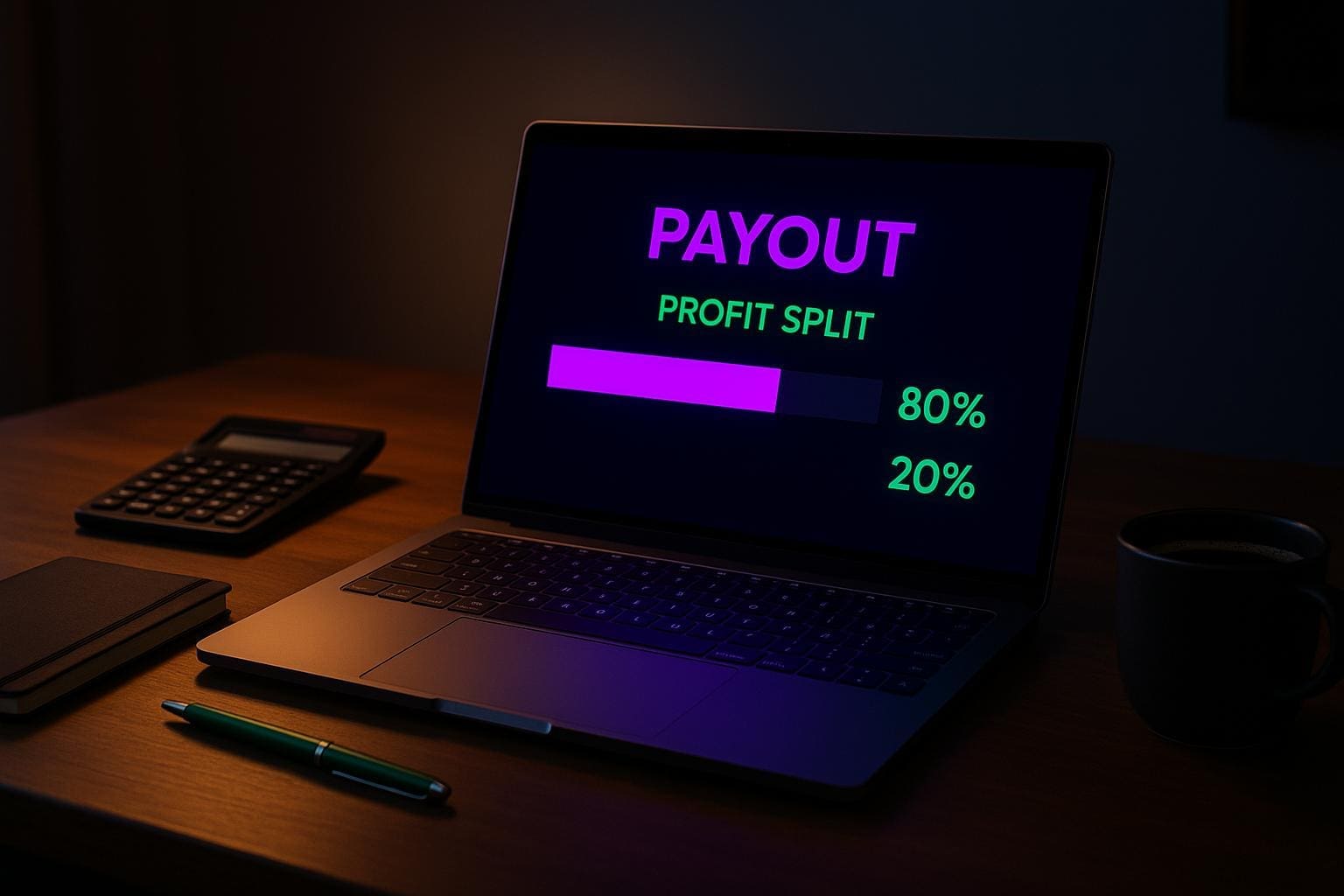
Prop Firm Payouts: Common Questions Answered
Learn how prop firm payouts work, including profit splits, timelines, and common issues to ensure smooth withdrawals and maximize trading profits.

Funded Account Checklist: 10 Steps Before Trading
Prepare for success in funded trading accounts with this essential checklist that covers rules, risk management, and platform setup.

Nasdaq Futures Risk Management Planner
Plan your futures trading risk with our free tool! Input account size and risk percentage to get tailored position sizing. Trade smarter today!

Futures Prop Firm Comparison Tool
Compare top futures prop firms like Apex Trader Funding and Topstep. Find the best funding, profit splits, and rules for your trading style!

Top 7 Futures Prop Firms for Funded Trading Accounts
Explore the top futures prop firms offering funded trading accounts, highlighting profit splits, evaluation processes, and payout speeds.
Alpha Futures Prop Firm Consistency Rule Explained: The Brutal Truth Traders Need To Know
The Alpha Futures prop firm consistency rule requires Standard funded traders to keep their largest winning day under forty percent of total profits per payout cycle to stay eligible for withdrawals. Advanced accounts skip the consistency rule but must log five winning days with two hundred dollars or more and…
How Many Trading Days Are In A Month?
U.S. stock markets average 20–22 trading days per month, but holidays and weekends change that count. This guide breaks down the 2026 trading calendar, explains how trading days impact futures traders and prop firm evaluations, and shows how rules like Daily Loss Limits and Consistency Requirements help build discipline and…
How Much Money Do You Need to Day Trade (No PDT Rule Required)
Wondering how much money you really need to start day trading? In this guide, we break down daily profit goals, account types, and the updated Pattern Day Trader (PDT) rule—now shifting from a fixed $25,000 minimum to a flexible intraday margin requirement by 2026. Learn how leverage, cash vs. margin…
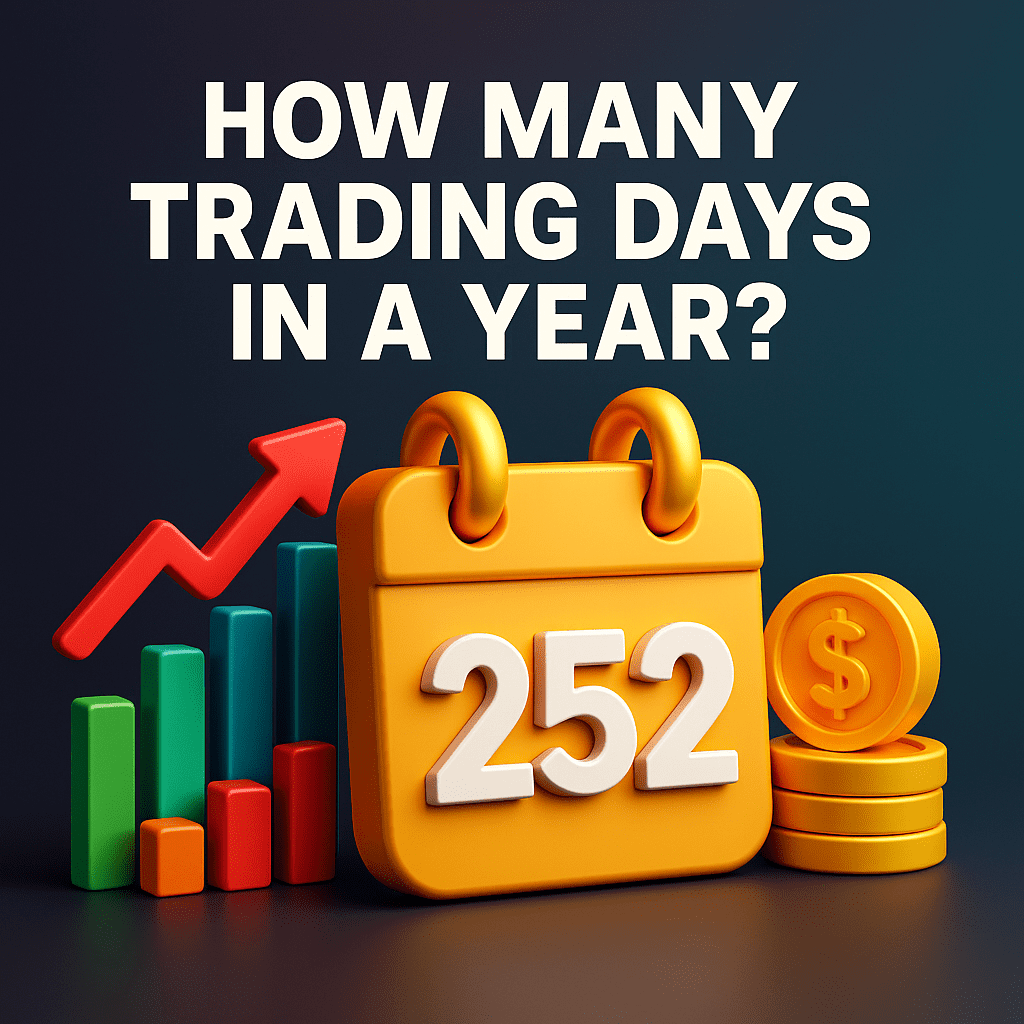
How Many Trading Days In a Year 2025, 2026, 2027
U.S. stock markets operate roughly 250 to 252 trading days per year, depending on how weekends and federal holidays fall. Each year, the NYSE and Nasdaq close for select market holidays, leaving around 250 active trading sessions where investors and futures traders can participate. This guide breaks down the exact…

Gold Futures Platforms: Brokers vs Prop Firms for GC
Trading Gold Futures (GC/MGC) has never been more accessible. You can open a personal brokerage account with Schwab or Webull, or start for under $100 using a futures prop firm like Topstep, FundedNext, or Take Profit Trader. Learn how platforms such as ProjectX and Tradovate provide built-in risk management tools…

Topstep vs FundedNext Futures 2026
Topstep has long been a leader in futures funding, but new rules, activation fees, and payout caps are driving traders toward FundedNext’s Legacy Challenge. With 1:1 profit-to-loss ratios, 24-hour payouts, no caps, and cheaper one-time pricing, FundedNext is quickly becoming the go-to prop firm for serious futures traders. Compare Topstep…

What Is Take Profit Trader Leverage? A Complete Guide for Futures Prop Traders
Take Profit Trader doesn’t use traditional leverage ratios like 1:50 or 1:100 instead, it defines buying power through contract limits. In this guide, we break down how TPT’s 1:1 leverage model works, how the 1:10 mini-to-micro ratio gives traders flexibility, and why this approach creates safer, more consistent risk control…
Replikanto vs Apex Trade Copier
Compare Replikanto vs Apex Trade Copier two of the top copy trading tools for NinjaTrader prop firm traders. Discover which platform delivers faster execution, better multi-account control, and how TradeSyncer now outperforms both with seamless Rithmic, Tradovate, and TradingView integrations.
Tradeify Consistency Rule: Full Guide for Funded Traders
The Tradeify Consistency Rule Guide helps funded traders understand payout requirements and avoid delays. Learn the difference between Lightning (20% → 25% → 30%) and Growth Sim (35%) rules, see real examples, and use our free Tradeify Consistency Rule Calculator to instantly check if your profits qualify for a payout.
Apex Trader Funding Commandments: The 4 Rules Every Trader Must Follow for Payouts
The Apex Trader Funding Commandments outline the 4 rules every trader must follow to secure payouts: the 30% consistency rule, 30% drawdown rule, 5:1 risk-to-reward, and trading requirements. Learn how these guidelines protect your funded account, improve discipline, and guarantee smoother payout approvals with Apex.
FundedNext vs FundingTicks: Which Futures Prop Firm Is Better in 2026?
⚔️ FundedNext and FundingTicks both came from the forex world and are now battling in futures funding. FundedNext offers cheap entry with 100% splits and payouts in as little as 3 days, while FundingTicks stands out with its Zero Plan for instant funding and One Plan for uncapped payouts. Discover…

Best Prop Firms for Scalpers in 2026
Scalpers need speed, flexibility, and prop firms that don’t punish their style. In this guide, we reveal the top futures prop firms for scalpers in 2026, breaking down rules, payouts, and drawdowns so you know exactly where you can thrive.
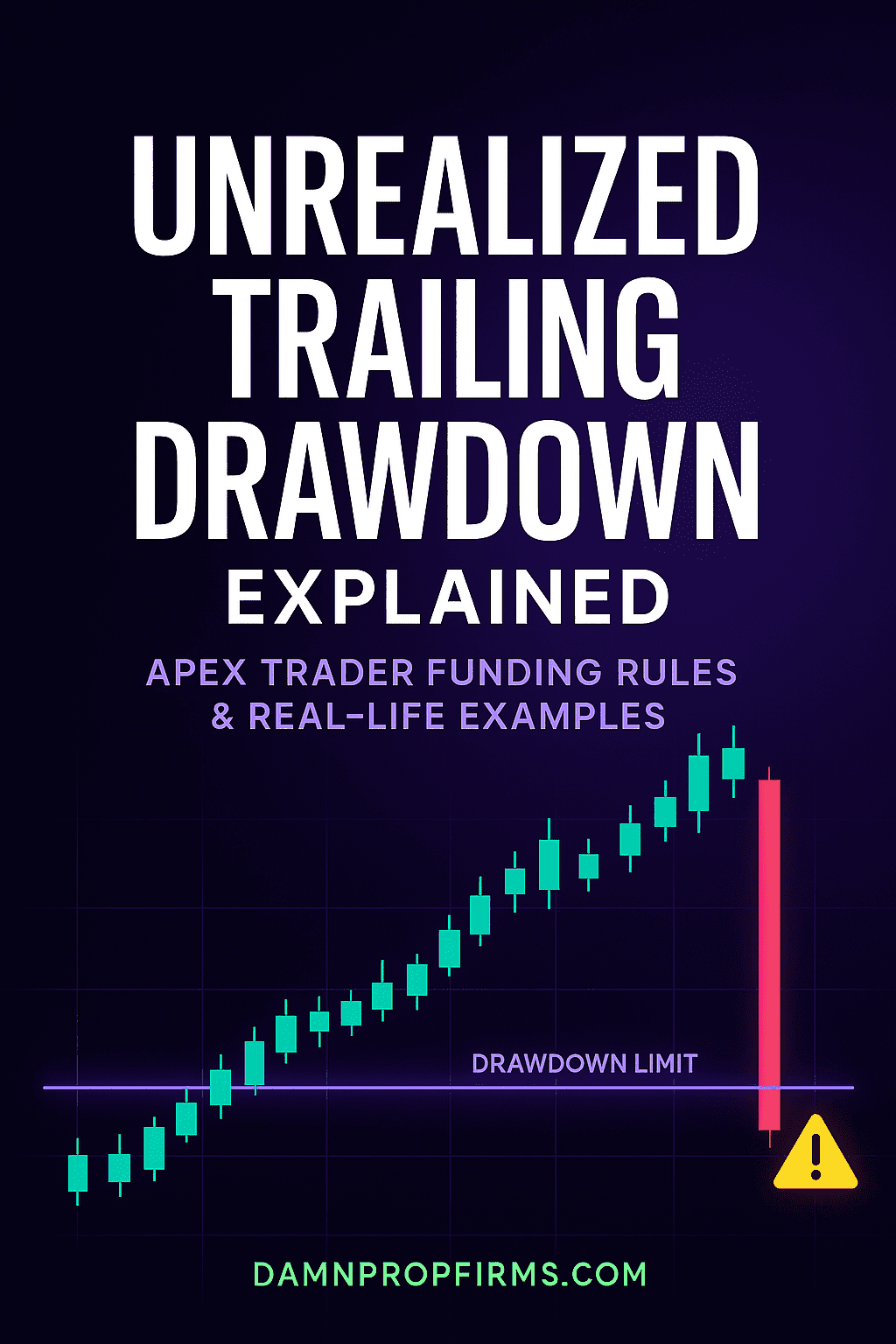
Unrealized Trailing Drawdown Explained – Apex Trader Funding Rules (With Real Life Examples)
The unrealized trailing drawdown at Apex Trader Funding is the single biggest rule that trips up traders. Unlike a static drawdown, it moves up with your account’s highest unrealized gains and never moves back down—meaning intraday peaks can shrink your safety cushion even if you later close lower. In this…

How Do Prop Firms Work? A Beginner’s Guide to Futures Prop Firms
Futures prop firms let traders access large funded accounts by proving consistency in an evaluation. Learn how evaluations, drawdowns, payouts, and multiple accounts work with examples from Apex Trader Funding.